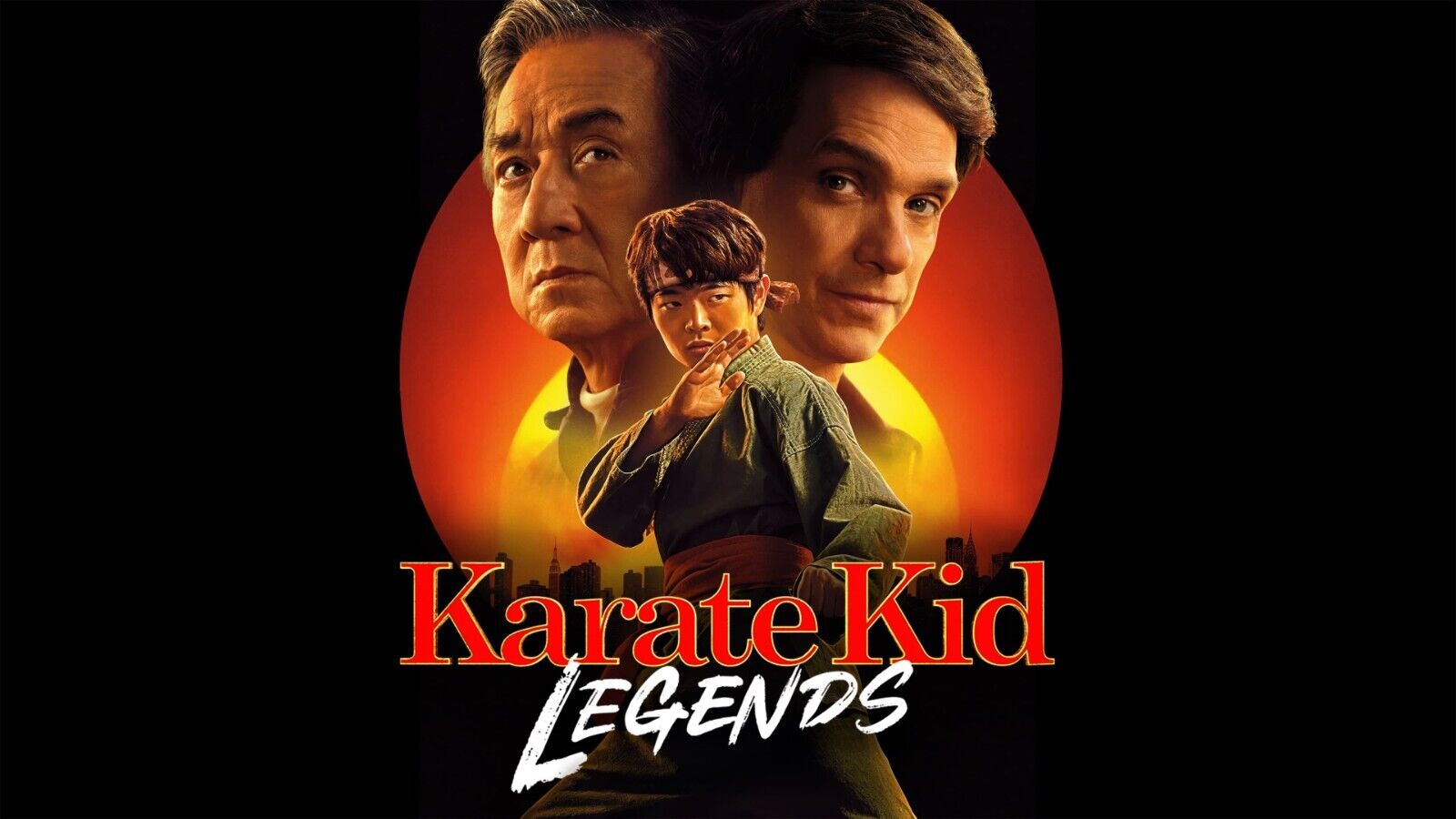
Karate Kid Legends 2025 Movie Review – A Powerful Revival of an Iconic Martial Arts Legacy
The Karate Kid franchise has remained one of the most beloved martial arts film series in cinematic history. From its humble beginnings in the 1980s to its modern resurgence through Cobra Kai, the story of discipline, honor, and self-discovery has continued to inspire generations. Now, with Karate Kid: Legends, the franchise takes a bold step forward, blending nostalgia with a fresh narrative for a new era.
In this Karate Kid: Legends movie review, we explore the film’s storyline, performances, action choreography, emotional depth, and how it successfully bridges the past and the future. Whether you are a lifelong fan or a newcomer, Karate Kid: Legends delivers a meaningful cinematic experience that respects its roots while evolving with modern storytelling.
Introduction: A New Chapter Begins
Karate Kid: Legends is not just another sequel—it is a legacy continuation that honors the spirit of the original films while introducing new characters, conflicts, and philosophies. The movie brings together the teachings of different martial arts traditions, highlighting how wisdom transcends generations and cultures.
Unlike typical reboots that rely solely on nostalgia, Karate Kid: Legends builds a story with emotional weight, modern relevance, and carefully crafted action. The film aims to answer a critical question: What does it truly mean to be a martial artist in today’s world?
Plot Overview (Spoiler-Free)
At its core, Karate Kid: Legends tells the story of a young, troubled teenager struggling to find balance in a world filled with pressure, identity crises, and social conflict. After relocating to a new city, the protagonist faces bullying, self-doubt, and emotional scars from his past.
Enter the legendary mentors—masters shaped by their own battles, losses, and triumphs. Through disciplined training, philosophical guidance, and personal sacrifice, the young student begins a journey of transformation. The film skillfully weaves themes of respect, perseverance, inner strength, and redemption.
Rather than focusing solely on tournaments, the movie emphasizes character growth, making each fight meaningful rather than flashy.

Storytelling and Narrative Depth
One of the biggest strengths highlighted in this Karate Kid: Legends movie review is the film’s storytelling. The narrative feels grounded and emotionally sincere, avoiding exaggerated drama.
Key Narrative Strengths:
- Strong character motivations
- Smooth pacing with emotional buildup
- Respectful callbacks to the original films
- A balance between personal conflict and martial arts philosophy
The screenplay does an excellent job of showing how martial arts are not just about physical dominance but about self-control, humility, and purpose.
Characters and Performances
The New Karate Kid
The new protagonist delivers a surprisingly mature and emotionally layered performance. His portrayal of vulnerability, anger, and eventual confidence feels authentic. Viewers can easily connect with his struggles, making his victories—both internal and external—deeply satisfying.
The Legendary Mentors
One of the most exciting aspects of Karate Kid: Legends is the return and evolution of iconic mentors. Rather than simply repeating old roles, these characters feel wiser, more reflective, and emotionally complex.
Their guidance is not just about fighting techniques but about life lessons, reminding audiences why these characters became legends in the first place.
Martial Arts Action and Choreography
No Karate Kid: Legends movie review would be complete without discussing the action.
The fight choreography is:
- Realistic
- Well-paced
- Emotionally driven
Instead of relying on over-the-top CGI, the movie emphasizes traditional martial arts techniques, disciplined movement, and meaningful combat. Each fight serves the story rather than distracting from it.
Training montages are thoughtfully designed, showing progression rather than instant mastery. This approach reinforces the franchise’s long-standing message: true strength comes from patience and dedication.
Direction and Cinematic Style
The director of Karate Kid: Legends demonstrates a deep understanding of the franchise’s tone. The film balances:
- Nostalgic visuals
- Modern cinematography
- Intimate emotional moments
The camera work during training sequences feels immersive, while fight scenes are shot clearly, allowing viewers to appreciate the skill involved. Lighting and color grading reflect the emotional journey of the characters, shifting subtly as the story progresses.
Music and Sound Design
The soundtrack plays a crucial role in enhancing the emotional resonance of the film. Classic musical motifs from earlier Karate Kid movies are reintroduced in a modernized form, creating a powerful sense of continuity.
Moments of silence are also used effectively, allowing tension and emotion to breathe without unnecessary noise.
Themes and Symbolism
One of the reasons Karate Kid: Legends stands out is its exploration of timeless themes:
1. Legacy and Responsibility
The film questions what it means to inherit a legacy—and how one should carry it forward without being trapped by the past.
2. Inner Balance
Martial arts are portrayed as a path to mental clarity, not just physical dominance.
3. Redemption
Several characters seek redemption, proving that it’s never too late to change.
4. Cultural Unity
The movie respectfully blends different martial arts philosophies, emphasizing that wisdom has no borders.
Emotional Impact
Unlike many action-driven sequels, Karate Kid: Legends invests heavily in emotional storytelling. The film features moments of:
- Quiet reflection
- Personal loss
- Hard-earned triumph
These emotional beats elevate the movie beyond a standard martial arts film, making it resonate with audiences of all ages.
Comparison with Previous Karate Kid Films
While the original Karate Kid films focused on underdog victories, Karate Kid: Legends expands the scope by exploring what happens after the victory.
Compared to:
- 1984’s The Karate Kid – More mature and reflective
- 2010’s The Karate Kid – Deeper emotional complexity
- Cobra Kai – Less dramatic but more cinematic
This film stands confidently on its own while honoring everything that came before it.
Strengths of Karate Kid: Legends
- Strong emotional storytelling
- Authentic martial arts action
- Respectful handling of legacy characters
- Meaningful life lessons
- Excellent pacing and direction
Minor Weaknesses
No movie is perfect, and Karate Kid: Legends has a few minor flaws:
- Some predictable plot points
- Limited screen time for certain supporting characters
However, these issues do not significantly detract from the overall experience.
Final Verdict: Is Karate Kid: Legends Worth Watching?
Absolutely. Karate Kid: Legends is a thoughtful, emotionally rich, and well-executed continuation of one of cinema’s most iconic franchises.
This Karate Kid: Legends movie review concludes that the film succeeds not by repeating the past, but by learning from it. It reminds us that martial arts are not about defeating others—but about mastering oneself.
Rating: ⭐⭐⭐⭐½ (4.5/5)
Recommended for:
- Fans of the Karate Kid franchise
- Martial arts movie lovers
- Viewers who enjoy emotional, character-driven stories

One thought on “Karate Kid Legends 2025 Movie Review”